Probiotics are live, beneficial bacteria that help keep the digestive tract in healthy balance. These friendly microbes work like good neighbors, helping the whole block run smoothly.
Your dog's gut naturally holds a mix of helpful and less helpful bacteria. Changes in food, travel, or stressful events can tip that balance, which may show up as an occasional upset stomach. Probiotics help replenish the helpful side of the equation, while prebiotics, a type of fiber, act as food that helps those good bacteria thrive.
Different probiotic strains do different jobs, so it pays to read the label. Look for the specific strain and the CFU (colony-forming units) count, which tells you how many live cultures are in each serving.
Signs Your Dog's Belly Could Use A Little Backup
Every pup has an off day now and then, but certain patterns suggest their digestion could benefit from extra support. Keep an eye out for these common clues.
Occasional Upset Stomach And Gas
A rumbling tummy, room-clearing gas, or an occasional upset stomach can point to a gut that's a bit out of balance. Probiotics can help support regular, comfortable digestion when these moments pop up from time to time. Keep a quick log of when tummy troubles happen, since patterns can help you and your vet spot possible triggers like a new food or a hectic week. If an upset stomach lasts more than a day or two, or comes with other changes, check in with your veterinarian. For everyday tummy support, our Digestion collection gathers wholesome options in one place.
Changes In Routine Or Surroundings
Boarding, road trips, a new home, or situational anxiety from fireworks and thunderstorms can all affect how your dog's stomach behaves. Many pet parents keep a probiotic routine going during these stretches to help support steady digestion while everything else feels new.
Kitchen Sources Of Natural Probiotics For Dogs
A few everyday foods offer beneficial bacteria or prebiotic fiber, making homemade probiotics for dogs an easy place to start. Introduce new foods slowly and in small portions.
- Plain, Unsweetened Yogurt: Yogurt with live and active cultures can offer beneficial bacteria. Choose options free of xylitol, added sugar, and artificial sweeteners.
- Plain Kefir: This fermented milk drink typically contains a wider variety of cultures than yogurt. Start with a teaspoon or two, since some dogs are sensitive to dairy.
- Unseasoned Fermented Vegetables: A small taste of plain fermented cabbage or carrots can add beneficial bacteria. Skip anything made with onion, garlic, or heavy salt.
Homemade sources vary in how many live cultures they actually deliver, so many pet parents also look for a product with a labeled strain and CFU count for more consistent support. Dairy and fermented foods also add calories, so keep portions small and count them toward your dog's daily snack allowance. If your pup has a sensitive stomach, check with your vet before adding new foods.
Comparing Natural Probiotics For Dogs By Format
Probiotic products come in several forms, and the right fit often depends on how picky your pup is and how your daily routine runs. Here's how the most common options stack up.
Powders
A dog probiotic powder is easy to portion and works well for dogs of all sizes. Some pups notice the change in texture or smell right away, though, which can make powders tricky for selective eaters. Look for a clear CFU count on the label and a scoop size that matches your dog's weight.
Soft Chews
Chews offer a pre-measured serving that many dogs take straight from your hand. They're handy for travel and busy mornings, though dogs with very selective tastes may still sniff around before deciding.
Probiotic Pill Wraps
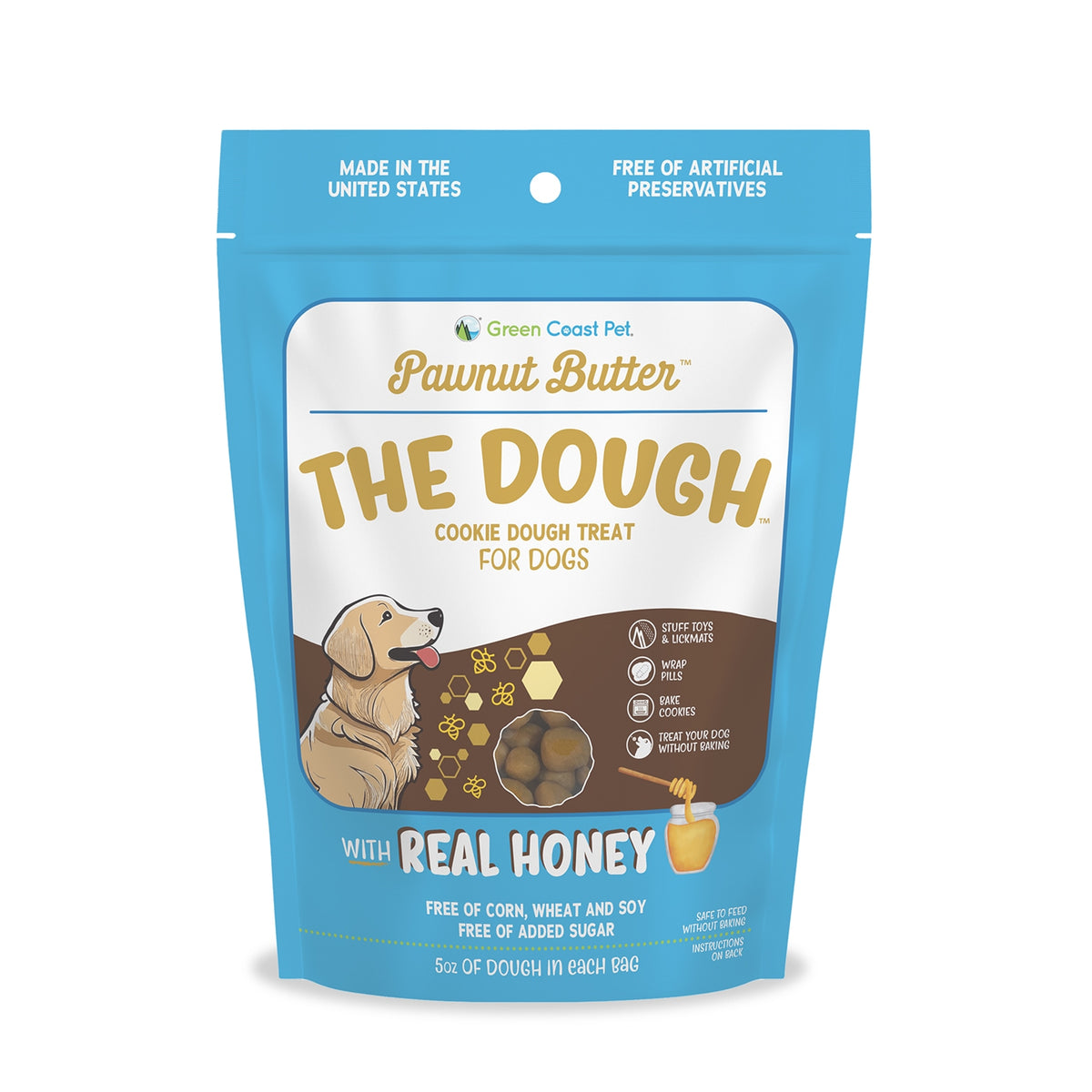
If your dog already takes pills, a pill wrap with added probiotics adds digestive support to a step you're already doing. You mold the wrap around the pill, your pup gets a tasty bite, and the probiotic comes along for the ride. It's a simple option for pet parents who'd rather not add one more product to the daily lineup.
Green Coast Pet's Pill a Pet™ Pill Wraps
Is pill time with your dog a hassle? Pill a Pet™ makes it easier, and it has a probiotic added for digestive support. Here's a closer look at what's inside every bag.
Each 2-gram serving contains 500,000 CFU of Bacillus coagulans, a probiotic. The wrap sticks snugly to the pill, so your dog is less likely to chew around it and spit it out. Every bag comes as one large, moldable piece, so you just tear off what you need, and each bag wraps 60 average-size pills. It's free of corn, wheat, soy, and byproducts, and it's made in the USA.
Pill a Pet™ comes in three flavors: Bacon, Cheese, and Peanut Butter. Ingredients vary by flavor, so check the label if your pup has food sensitivities. Each 2 g serving contains 7.6 kcal. To use it, wrap 2 grams around any size pill, give the wrapped pill to your dog, and store the bag in a cool, dry place. If you have questions about how your dog's pills should be given, your veterinarian is the best person to ask.
Not for human consumption. Do not exceed the recommended dose. In the case of accidental overdose, contact a health professional or veterinary professional immediately. Discontinue use immediately if new or worsening symptoms occur. Keep out of reach of children and animals.