Puppies soak up new experiences quickly, and rewards help them connect good choices with good feelings during this busy stage of life.
Between roughly 8 and 16 weeks old, puppies are forming lasting impressions about people, places, sounds, and routines. A well-timed reward tells your little learner, "Yes, that's exactly right," in a language they understand instantly. Over time, those small moments of praise and flavor add up to a dog who looks to you for direction.
Choosing puppy treats for training also helps keep lessons upbeat. Short, positive sessions build trust between you and your new family member, and a puppy who enjoys learning is far more likely to stay engaged as lessons get more challenging. Rewards also give your puppy a clear alternative to nipping, jumping, or chewing the couch, since they learn what earns a reward instead of only hearing "no."
Early Lessons Where Puppy Training Treats Shine
Some early skills come up again and again in a puppy's first months. Here are three lessons where a small reward can make a big difference.
House Training
Rewarding your puppy the moment they finish their business outside teaches them where bathroom breaks belong. Keep a few rewards by the back door so you're ready to celebrate right away, since a delay of even a few seconds can blur the message. Pairing the reward with a cheerful cue like "go potty" helps them connect the phrase with the routine.
Crate Comfort
A crate can become a cozy den when it's linked with pleasant experiences. Toss a small reward inside, praise your puppy for walking in on their own, and gradually build up the time they spend relaxing there. Avoid using the crate as a timeout so it stays a place your puppy chooses to rest.
Loose-Leash Walking
Puppies naturally want to zoom toward every new smell. Rewarding them for walking beside you, especially when they glance up to check in, helps them learn that staying close is the best place to be.
Choosing Puppy Training Treats For Little Mouths
Growing pups have different needs than adult dogs, so the right training treats for puppies are designed with little bodies in mind. Look for these qualities as you shop.
- Gentle On Baby Teeth: Soft or easily crumbled textures are comfortable for teething puppies and quick to swallow between cues.
- Easy To Break Apart: Snacks you can split by hand let you reward often without reaching for a knife or scissors mid-lesson.
- Light On Calories: Puppies get most of their nutrition from their main food, so low-calorie rewards help keep growth on track.
- Short Ingredient Lists: Simple, recognizable ingredients are easier on tiny tummies that are still adjusting to new foods.
- Pocket-Friendly Packaging: Resealable bags and dough you can pinch apart make it easy to carry rewards on walks and visits.
Always read the label for feeding guidance, and ask your veterinarian about any ingredients you're unsure of for your puppy's age.
A Day Of Learning With Puppy Training Treats
Training doesn't need to happen in one long session. Sprinkling a few quick lessons through the day keeps your puppy's attention fresh and their energy in check.
Morning Practice Sessions
Puppies often wake up full of energy and eager to engage. Spend five minutes practicing sit, down, and their name before the day gets busy, rewarding each success with small training treats for puppies that keep them focused without filling them up. End on a win so your puppy finishes the session feeling successful.
Afternoon Socialization Outings
New sights and sounds can feel overwhelming at first. Offering a reward as your puppy calmly watches a passing bike, meets a friendly neighbor, or hears a car door close helps them see the world as a welcoming place. Keep these outings short and let your puppy approach new things at their own pace.
Evening Wind-Down And Enrichment
After a full day, a spreadable snack on a lick mat gives your puppy a calming way to settle in for the night. Licking is naturally soothing, so this quiet ritual can help them relax before bedtime. Our Pawnut Butter™ is made with just three ingredients and is free of salt, added sugar, and xylitol, so it spreads easily into this nightly routine.
Stocking Your Puppy's Training Pouch
Green Coast Pet makes it easy to fill your pouch with wholesome options, all made in the USA. Here's how each one fits into puppy life.
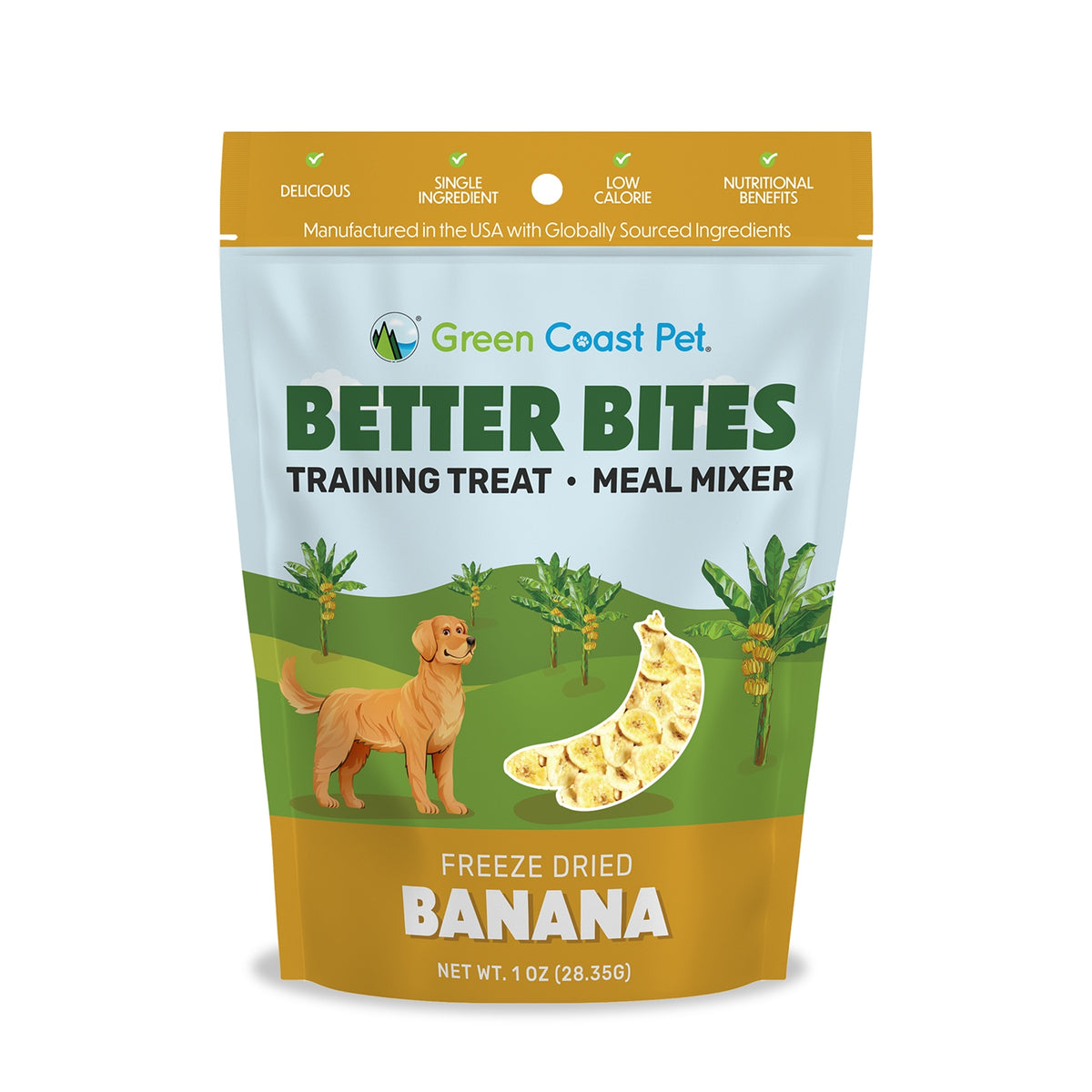
Better Bites are freeze-dried, single-ingredient bites made from banana, blueberry, sweet potato, pumpkin, or tart cherry, with less than one calorie per piece. Their light, crisp texture is easy to crumble into smaller bits for little mouths, and you'll find every flavor in our training collection.
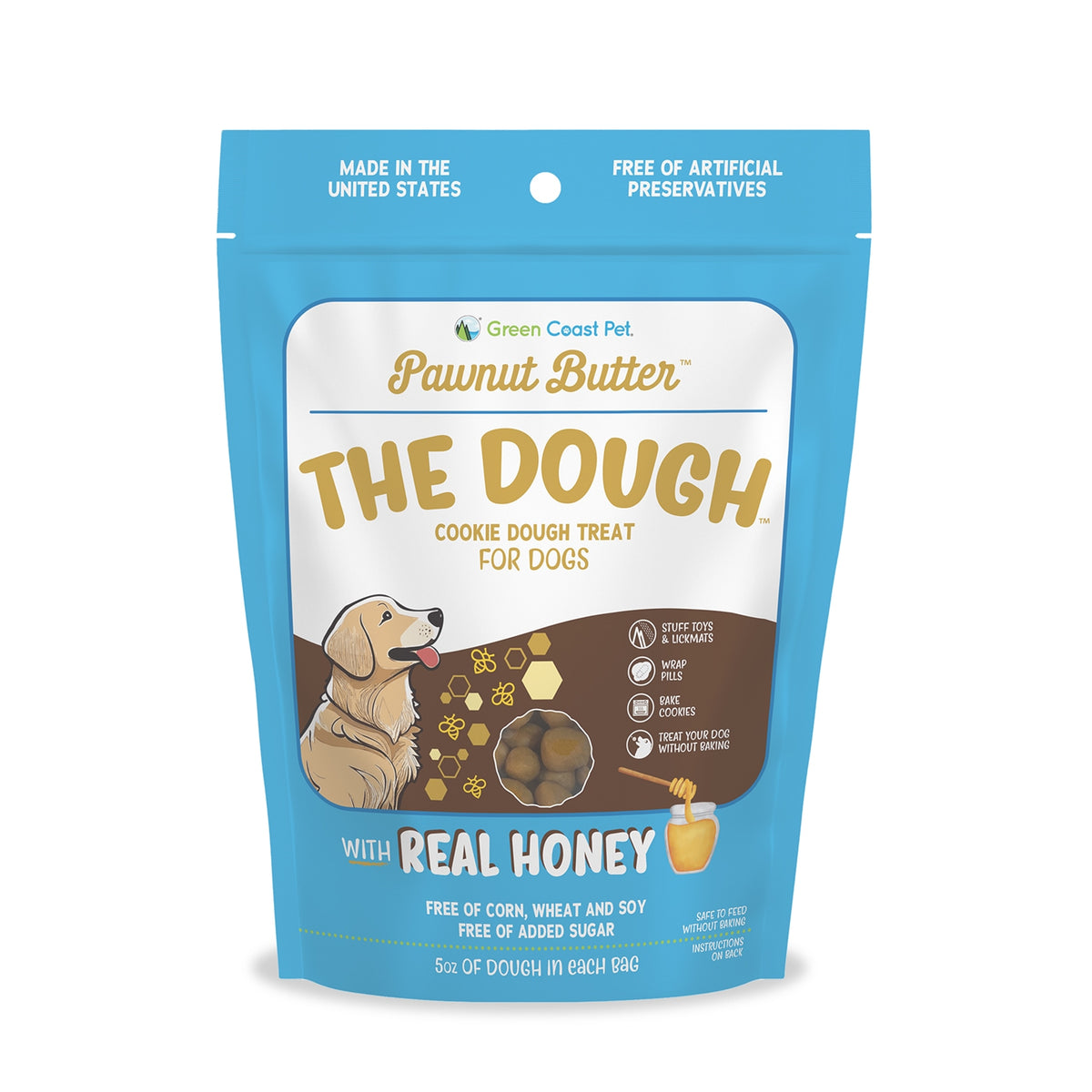
For a soft reward, THE DOUGH is a peanut butter cookie dough your puppy can enjoy raw or baked, and it pinches into tiny pieces in seconds. Many pet parents count it among the best puppy training treats for pups who prefer something chewy over crunchy.
Puppyhood also brings plenty of vet visits, and pill time can test the patience of any household. Pill a Pet™ wraps snugly around a pill and is free of corn, wheat, and soy, with added probiotics for digestive support. Browse our pill wraps for dogs to find a flavor your puppy will happily take.
As your puppy grows into their paws, our wholesome treats make it easy to keep every new lesson rewarding.