Key Takeaways:
- Nutritional Benefits: Peanut butter provides protein and fats, but its high calorie content makes portion control important.
- Ingredient Safety: Choose peanut butter without xylitol, also called birch sugar, and check labels for unnecessary additives.
- Serving Tips: Small portions of dog-safe peanut butter can be used for enrichment activities, food puzzles, or helping with certain medications when approved by your veterinarian.
Is peanut butter good for dogs, or should you think twice before sharing a spoonful with your furry friend? Peanut butter made with simple ingredients and no xylitol can be a tasty option for dogs when served in moderation. It contains protein and fats, but choosing the right ingredients and watching portions are important for your pup's wellbeing.
At Green Coast Pet, we believe our four-legged family members deserve the same care and attention we give ourselves. As a California-based pet wellness brand, we're committed to wholesome ingredients and thoughtful nutrition that support happy, healthy pups.
In this guide, we'll cover the benefits of peanut butter for dogs, which varieties are safe, potential risks, and simple ways to serve it responsibly.

Is Peanut Butter Good for Dogs?
Yes, peanut butter can be good for dogs when it's made with safe ingredients and served in small amounts. Peanuts naturally contain protein, healthy fats, and nutrients like vitamin E and niacin. These nutrients contribute to normal body functions, although dogs should get most of their daily nutrition from a complete and balanced diet.
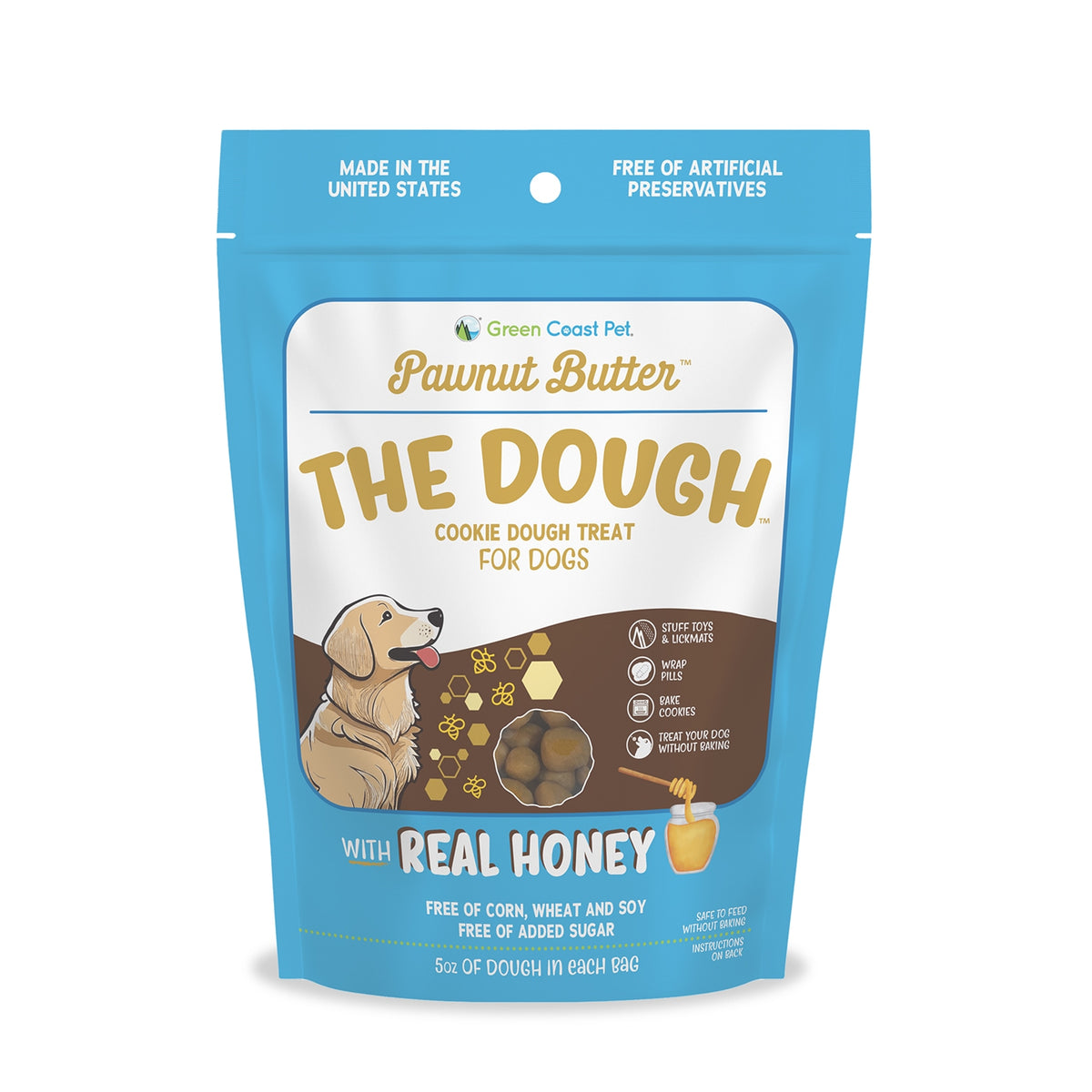
Peanut butter's creamy texture and rich flavor also make it appealing to many pups. It can be a tasty occasional reward during training or a fun addition to enrichment activities. For pet parents looking for convenient options, our Treats collection offers wholesome ways to give their furry companions a little something special.
Still, peanut butter is calorie-dense, so a little goes a long way. It should complement your dog's regular diet rather than replace essential nutrients. Choosing an appropriate variety and keeping portions small allows your four-legged friend to enjoy this peanutty favorite without overdoing it.
Which Peanut Butter Is Safe for Dogs?
The safest peanut butter for dogs contains simple ingredients, ideally just peanuts, without harmful sweeteners or unnecessary additives. Before sharing a spoonful with your pup, check the ingredient label for these important details.
Check for Xylitol
Xylitol, sometimes listed as birch sugar, is an artificial sweetener that's highly toxic to dogs. Even small amounts can cause a dangerous drop in blood sugar and potentially lead to liver damage. Always check the label, especially on sugar-free or specialty peanut butter products. If your dog consumes xylitol, contact your veterinarian immediately.
Choose Simple, Unsweetened Ingredients
Peanut butter made primarily from roasted peanuts is generally a suitable choice for dogs. Look for varieties without added sugar, artificial sweeteners, or unnecessary flavorings. Natural peanut butter with a short ingredient list makes it easier to know exactly what you're giving your furry friend.
Is Jif Peanut Butter Safe for Dogs?
Pet health experts at the American Kennel Club note that most peanut butter is safe for dogs in moderation, as long as it doesn’t contain xylitol. Regular Jif creamy and crunchy varieties don’t list xylitol among their ingredients, but they do contain added sugar, salt, and oils. As the makers of Pawnut Butter, a peanut butter made specifically for dogs, we’ll admit we have opinions here, but simpler, unsalted options are generally the better pick, a view the AKC shares. Always check the current ingredient label before serving, since formulations can change. A little peanut butter goes a long way toward keeping snack time enjoyable for your pup.

When Is Peanut Butter Bad for Dogs?
Is peanut butter bad for dogs? It can be when it contains xylitol, is given too often or in large amounts, or is served to pups with certain dietary needs. Even varieties made with dog-safe ingredients may cause problems if portions aren’t properly managed. Here are a few situations where peanut butter may not be the best choice:
- Xylitol-containing products: Some peanut butters, particularly sugar-free or “low-sugar” varieties, contain xylitol, which may also appear on labels as birch sugar. Xylitol is highly toxic to dogs, and even a small amount can cause a rapid drop in blood sugar and potential liver damage, so always check the ingredient list before sharing.
- Excess calories: Peanut butter is high in calories, and frequent servings can contribute to unwanted weight gain, especially in smaller or less active dogs.
- Digestive discomfort: Its high fat content may cause an upset stomach, loose stools, or vomiting in dogs with sensitive digestion.
- Peanut sensitivities: Although uncommon, some dogs may experience allergic reactions to peanuts. Watch for itching, swelling, or digestive changes after introducing peanut butter.
- Existing health conditions: Dogs with pancreatitis, obesity, or conditions requiring a low-fat diet may need to avoid peanut butter altogether.
- Overfeeding: Large servings can interfere with a balanced diet by adding unnecessary calories without providing all the nutrients your dog needs.
If your pup eats peanut butter containing xylitol, contact your veterinarian or an emergency animal poison service right away, even if they seem fine. For other unusual symptoms after eating peanut butter, stop offering it and consult your veterinarian. For dogs with dietary restrictions, professional guidance can help determine whether peanut butter belongs in their routine.
How to Give Your Dog Peanut Butter Safely
If you're wondering, "can dog eat peanut butter," the answer is yes, as long as it's dog-safe and served in moderation. Peanut butter works best as an occasional reward rather than an everyday snack. Start with a small taste to see how your pup responds. For healthy adult dogs, a small lick may be enough for tiny breeds, while larger dogs can generally enjoy a little more. Ask your veterinarian about suitable portions based on your dog's size, weight, and dietary needs.
You can spread a thin layer of dog-safe peanut butter on a lick mat, tuck a small amount into a puzzle toy, or use it as a reward during training. These activities encourage licking and problem-solving while keeping your furry friend engaged. For more enrichment ideas, read How Peanut Butter Treats Can Help Stressed-Out Dogs.
Peanut butter can also help make medication time easier for picky pups, provided your veterinarian confirms it's appropriate for the prescribed medicine. Our Pill Wraps for Dogs offer another convenient option for concealing pills. Always check medication instructions, as some medicines must be given without food or should not be crushed or altered.

Final Thoughts
Peanut butter can be a tasty addition to your pup's routine when you choose dog-safe ingredients and keep portions small. Checking labels, considering your dog's dietary needs, and serving it thoughtfully can help make snack time both enjoyable and safe.
At Green Coast Pet, we believe our furry family members deserve wholesome goodness in every bite. From playful enrichment activities to occasional rewards, a little peanut butter can bring extra tail wags to your dog's day. Keep it simple, serve responsibly, and let your pup enjoy the peanutty goodness!
Frequently Asked Questions About Is Peanut Butter Good for Dogs
Can puppies eat peanut butter?
Yes, puppies can have small amounts of dog-safe peanut butter once they're eating solid food. Introduce it gradually, choose a variety without xylitol, and consult your veterinarian about appropriate portions for your puppy's age and size.
Is crunchy or creamy peanut butter better for dogs?
Both can be suitable, but creamy peanut butter is often easier to spread on enrichment toys or lick mats. Crunchy varieties are also an option for dogs that can comfortably chew small peanut pieces. Always supervise your pup while eating.
Does natural peanut butter need to be refrigerated?
Some natural peanut butter products require refrigeration after opening, while others can be stored in a cool, dry place. Always follow the manufacturer's storage instructions. Natural oil separation is normal in many peanut butter products, but discard any that develop an unusual smell, appearance, or signs of spoilage.
Can dogs eat peanut butter with honey?
Dogs can have small amounts of peanut butter with honey if the product contains no harmful ingredients. However, honey adds sugar and calories, so plain peanut butter is generally a better option, particularly for dogs with weight or blood sugar concerns.
Can dogs eat peanut butter with pumpkin?
Yes, peanut butter combined with plain, unsweetened pumpkin can be suitable for many dogs. Check that the product contains no xylitol or added spices, and introduce it in small amounts to monitor your pup's digestion.
Can dogs eat peanut butter with coconut?
Some dogs can enjoy peanut butter containing small amounts of coconut, provided all ingredients are dog-safe. Coconut adds fat and calories, so keep portions modest, especially for dogs with sensitive stomachs.
Can dogs eat peanut butter cookies?
Some peanut butter cookies may be safe, but many human recipes contain excessive sugar, salt, or ingredients unsuitable for dogs. Avoid cookies containing chocolate, xylitol, or raisins, and choose products specifically formulated for dogs.
What should I do if my dog eats peanut butter with xylitol?
Contact your veterinarian or an emergency animal poison service immediately. Xylitol can cause a rapid, dangerous drop in blood sugar and potentially liver damage. Do not wait for symptoms or induce vomiting unless a veterinary professional instructs you to do so.
Sources:
- Murphy, L. A., & Dunayer, E. K. (2018). Xylitol toxicosis in dogs: An update. Veterinary Clinics of North America: Small Animal Practice, 48(6), 985–990. https://doi.org/10.1016/j.cvsm.2018.06.004
- DuHadway, M. R., Sharp, C. R., Meyers, K. E., & Koenigshof, A. M. (2015). Retrospective evaluation of xylitol ingestion in dogs: 192 cases (2007–2012). Journal of Veterinary Emergency and Critical Care, 25(5), 646–654. https://doi.org/10.1111/vec.12350
- Xia, Z., He, Y., & Yu, J. (2009). Experimental acute toxicity of xylitol in dogs. Journal of Veterinary Pharmacology and Therapeutics, 32(5), 465–469. https://doi.org/10.1111/j.1365-2885.2009.01065.x